Chicago-based multi-instrumentalist, composer, and improviser Macie Stewart has had a hand in quite a few amazing tracks over the last five years. Whether working with Makaya McCraven, Japanese Breakfast, Tweedy, Mannequin Pussy or SZA, Stewart adds her unique and singular musical voice to whatever she’s collaborating on. She mainly works with piano, prepared piano, violin, voice, and field recordings, and with those Stewart creates dream-like moods; building sounds from quiet interludes to ambient tones to cinematic sweeps.
On Macie Stewart’s International Anthem Records debut titled When The Distance Is Blue, Stewart stated she wanted to “evoke a nostalgia for something I wasn’t able to name”, and to create a “companion piece for moving through life. A source of solace when we are unsure where we will land.” Over the course of 8 musical pieces I believe Macie Stewart has most definitely done that.
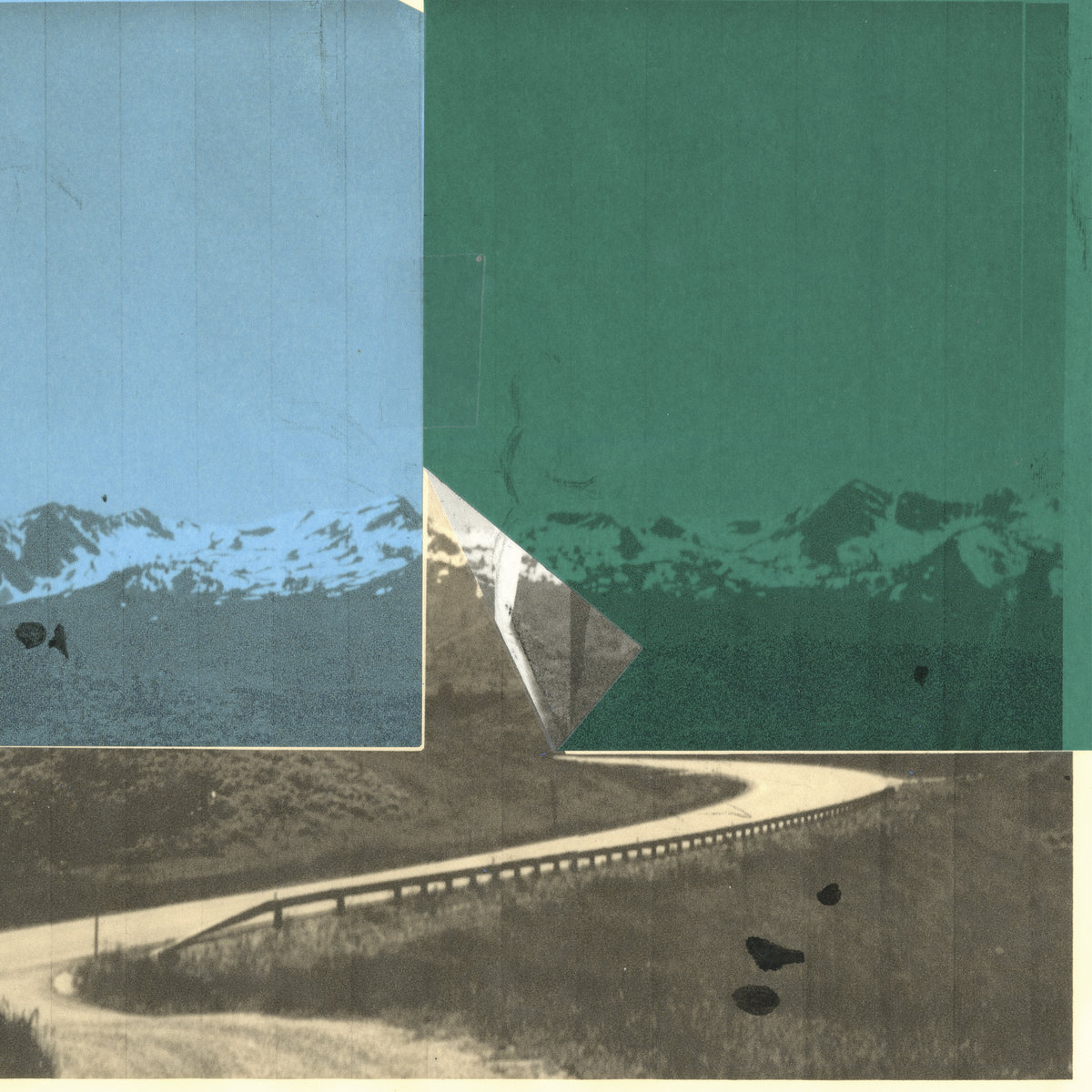
What you get when you listen to When The Distance Is Blue is a mood of quiet reflection. It’s subtle enough to be background music to evening conversations or while reading a book. But these songs are also built for contemplation and quiet reflection. It sounds and feels like a musical score to a thoughtful film. Something playing as rain comes down on a gray afternoon. Piano plays a major part here, but so do field recordings and strings.
Besides Macie Stewart, musicians Lia Kohl(cello), Whitney Johnson(viola), and Zach Moore(double bass) help build Stewart’s compositions into bigger, emotional works. Opener “I Forget How To Remember My Dreams” has a melancholy feel to it. Piano and cello work together to give the record a hazy opening. And thanks to the song title, you do get an air of waking from a deep sleep, leaving a dream behind to disappear like dust settling. “Murmuration/Memorization” has an eerie quality to it, strings hanging in the air. It’s reminiscent of a Howard Shore score for a David Cronenberg film. Or Colin Stetson’s score for Hereditary.
Throughout When The Distance Is Blue there’s equal parts beauty and haunted. “Spring Becomes You, Spring Becomes New” is off-kilter and slightly unsettling, bringing to mind the more obscure solo piano work of Chick Corea. “Stairwell(Before and After)” is a beautiful piano piece with subtle field recordings and voice layered in for good measure. And while probably not an ode to The Cure, album closer “Disintegration” seems to bring back earlier musical cues into a string led closer that seems to sum up the album’s mood and tone perfectly.
Macie Stewart’s engaging When The Distance Is Blue is the perfect soundtrack for an overcast afternoon or background music for thoughtful conversation. It’s subtle enough for peripheral listening, and layered enough for deeper moments.
Discover more from Complex Distractions
Subscribe to get the latest posts sent to your email.

