Other names tend to pop up when you think of jazz trumpeters. Of course Miles Davis, Dizzy Gillespie, Kenny Dorham, and Louis Armstrong come to mind, as does Chet Baker and Lee Morgan. But there’s one cat that was born in Indianapolis, IN that for my money is one of the most underrated jazz trumpeters – as well as jazz composers – in the history of jazz. That would be Freddie Hubbard.
Hubbard was the go-to trumpeter if you wanted your record to stand out. He had a tone unlike anyone else. His playing was forceful, yet clear and precise. He played with everyone in the late 50s and throughout the 60s. Everyone from Coltrane to Dolphy to Art Blakey to Ornette Coleman to Herbie Hancock. He was a highly sought after sideman as the guys in the know knew Freddie Hubbard would elevate the session.
From his 1960 debut Open Sesame Freddie Hubbard established himself as a prominent bandleader and became a contemporary to the greats. He had a fruitful career through the 1960s with Blue Note Records, releasing incredible solo albums that are considered classics now. But for me, Freddie Hubbard elevated his playing and composition skills with his early 70s run of releases with CTI. Red Clay, Straight Life, and First Light are pinnacles of forward-thinking jazz music of the 70s. I find it hard to pick a favorite as they’re all heavy, heady, and timeless sessions. But today it’s going to be my recent addition Straight Life.
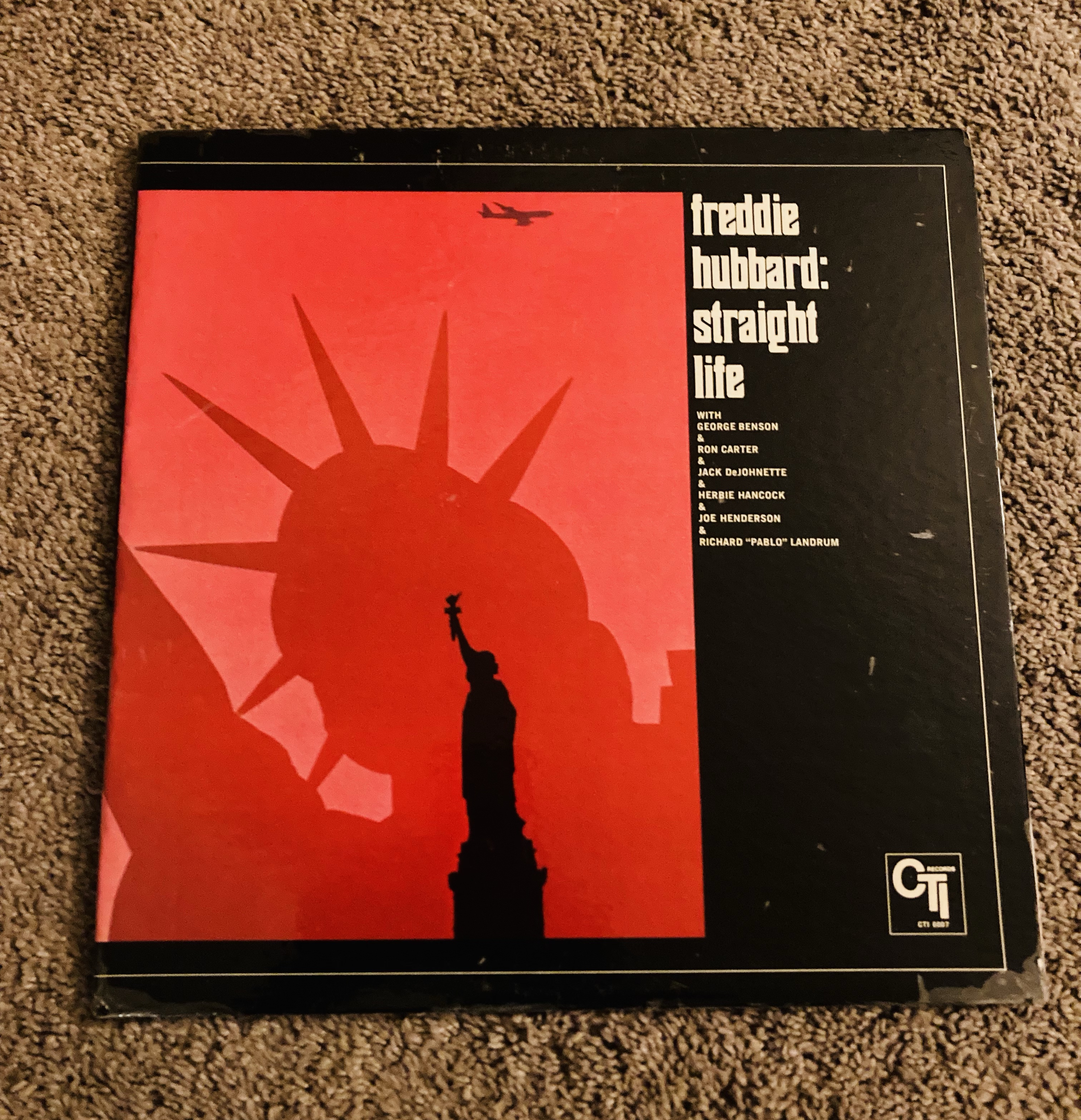
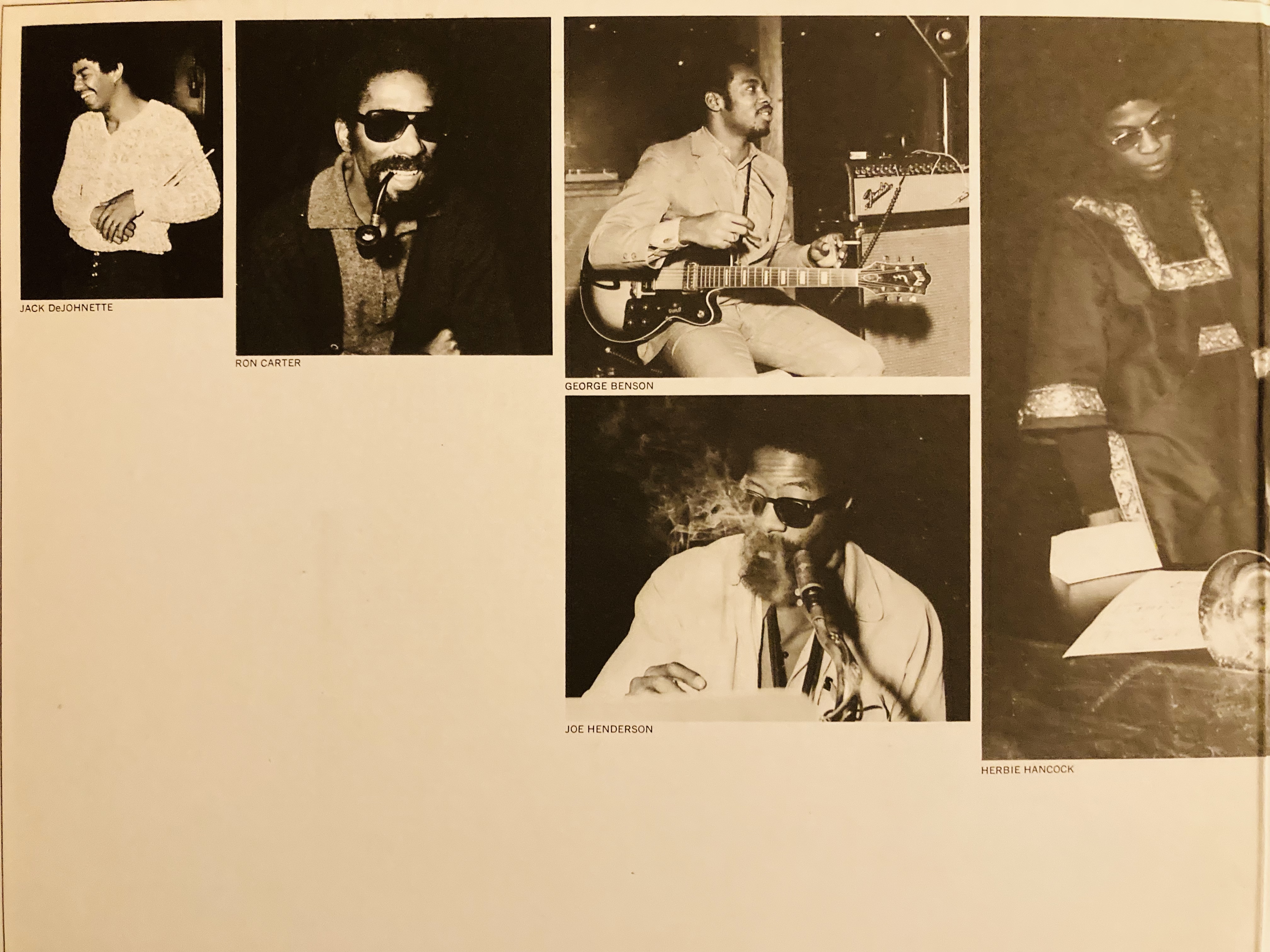
Straight Life was recorded in November 16th, 1970 and released in January of 1971. That alone is crazy to me. How many artists these days record an album and then release it a month and a half later? Not many. Anyways, the record consists of one song composed by Hubbard(“Straight Life”), and then covers(“Mr. Clean” written by Weldon Irvine, and “Here’s That Rainy Day”, written by Jimmy Van Heusen and Johnny Burke.) And the band Hubbard put together for this session was a who’s who of masters, including Herbie Hancock, Joe Henderson, Jack Dejohnette, Ron Carter, George Benson, and percussionist Richard Landrum.

Straight Life is just an absolutely stunning record. Side A is the title track “Straight Life” and it grooves its way through 17 minutes of funk and soul, with a hefty dose of Joe Henderson ripping through some serious saxophone. You can hear where Herbie Hancock was heading in this track, touching on his retro-futuristic funk/soul/fusion he’d make his vibe with 1973s Headhunters. Richard Landrum’s percussion touches truly elevate this cut, giving the song an Afrocentric feel. It pulls Hubbard’s composition from the hazy jazz club to the heartbeat of the city streets. Of course Freddie’s trumpet tone cuts through the mix with its clean, precise timbre. And Herbie makes everything better with his electric piano, which by now had become his main instrument since his late 60s sessions with Miles.
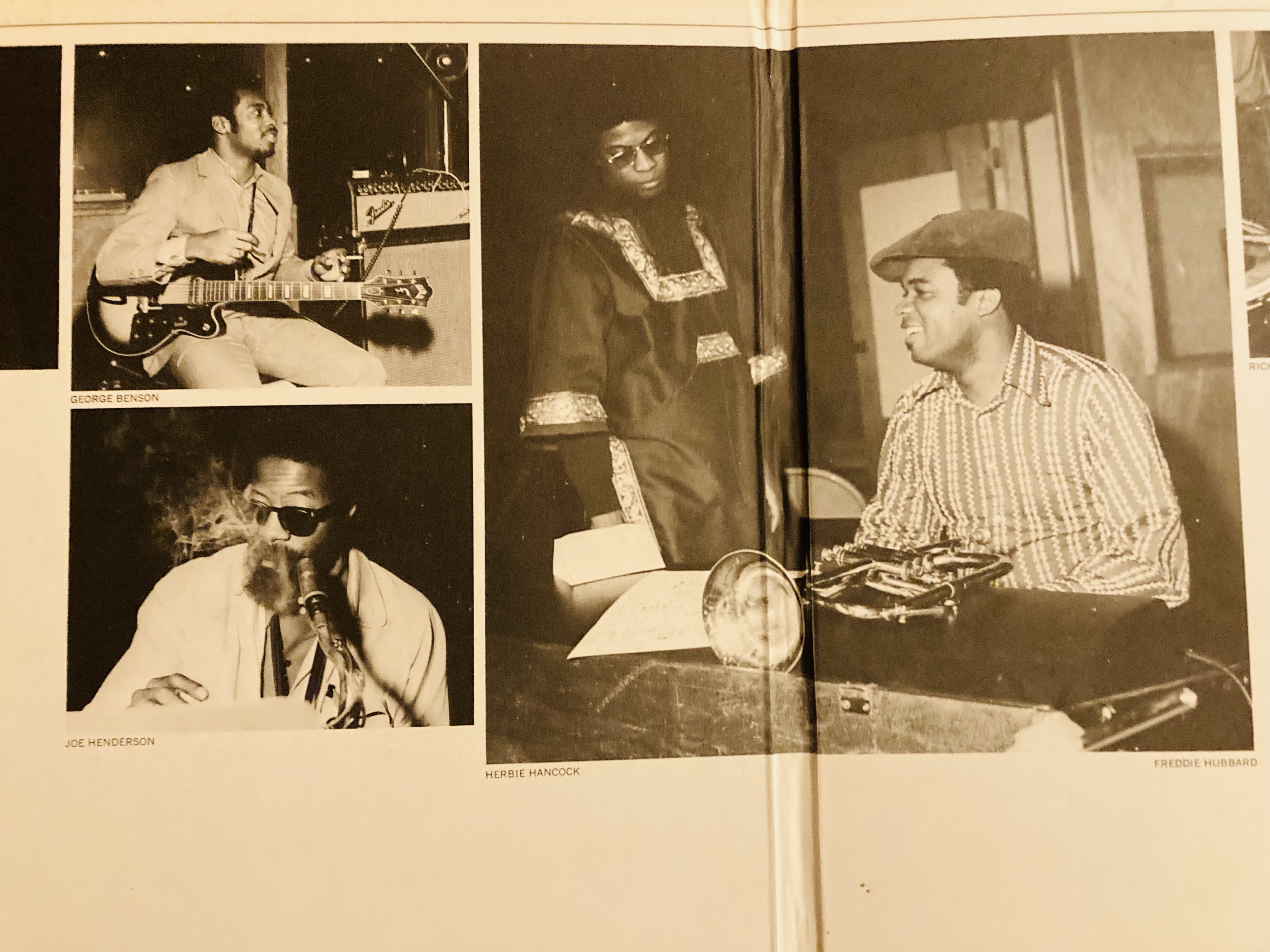
“Mr. Clean” is funky as they come. Maybe my current favorite cut. George Benson absolutely slays here, going for bluesy hues sounding more Kenny Burrell and Grant Green than the modal work of McLaughlin or Pete Cosey. Nearly 14-minutes of low down grooves and everyone in the band shining. Hubbard in-particular paints post-bop squeals and squelches over the proceedings while DeJohnette and Landrum lay down a funk for everyone to play off of.
“Here’s That Rainy Day” ends this record on a quiet, reflective note. Bringing to mind a wistful mood; melancholy, bluesy, and heavy on the soulful it’s a perfect ending to this amazing record.
I came to Freddie Hubbard’s solo work pretty late, like within the last three or four years. But I’d been familiar with his playing for years having heard him on albums by Herbie Hancock, John Coltrane, Joe Henderson, Eric Dolphy, and Art Blakey to name just a few. If you’re not familiar with Hubbard’s work, then start out with Open Sesame, Ready For Freddie, and Blue Spirits. Then do your brain a favor and hit up those CTI albums, starting with Straight Life.
Discover more from Complex Distractions
Subscribe to get the latest posts sent to your email.

