Hello. We’re back with our second installment of ‘Five Albums’ where I ask someone to list five albums that were pivotal listening experiences to them. Albums that made them who they are in some way, shape, or form. Today, we have someone I greatly admire. Not only for their immense musical ability across several genres of music, but just as a creative on the whole. That person is Jonas Munk -the co-runner of El Paraiso Records as well as starting Azure Vista Records- and all around musical genius in my book.
Besides starting one of the great modern record companies, Munk is also the guitarist for Causa Sui, one half of the ambient/electronic duo Billow Observatory, a member of London Odense Ensemble and is the sole member of the great electronic project Manual. Jonas Munk is also a studio wizard, mixing and mastering for his projects as well as working with artists as diverse as Ulrich Schnauss, Chicago Odense Ensemble(with members of Tortoise and Isotope 217) as well as his stunning work with Papir and Edena Garden’s guitarist Nicklas Sørensen.
I first heard Jonas on Causa Sui’s excellent 2013 album Euporie Tide, a record that simply put opened the door to an entire universe of amazing music and artists for me. I quickly swallowed up anything Causa Sui, Jonas Munk and El Paraiso Records-related. I’m a huge fan of both Jonas’ collaborative and his solo work. Pan, Absorb Fabric Cascade, Minimum Resistance and Mirror Phase are all standout works and each with their own musical and sonic trip. From Krautrock to ambient to shoegaze elements, Munk has done them and done them very well. And I can’t stress enough his collaborative work with Ulrich Schnauss, as well as Billow Observatory with Auburn Lull’s Jason Kolb.
Jonas Munk has built a musical universe to explore. There’s something for everybody. So without further adieu, here are Jonas Munk’s ‘Five Albums’.
Tortoise: It’s All Around You (2004)
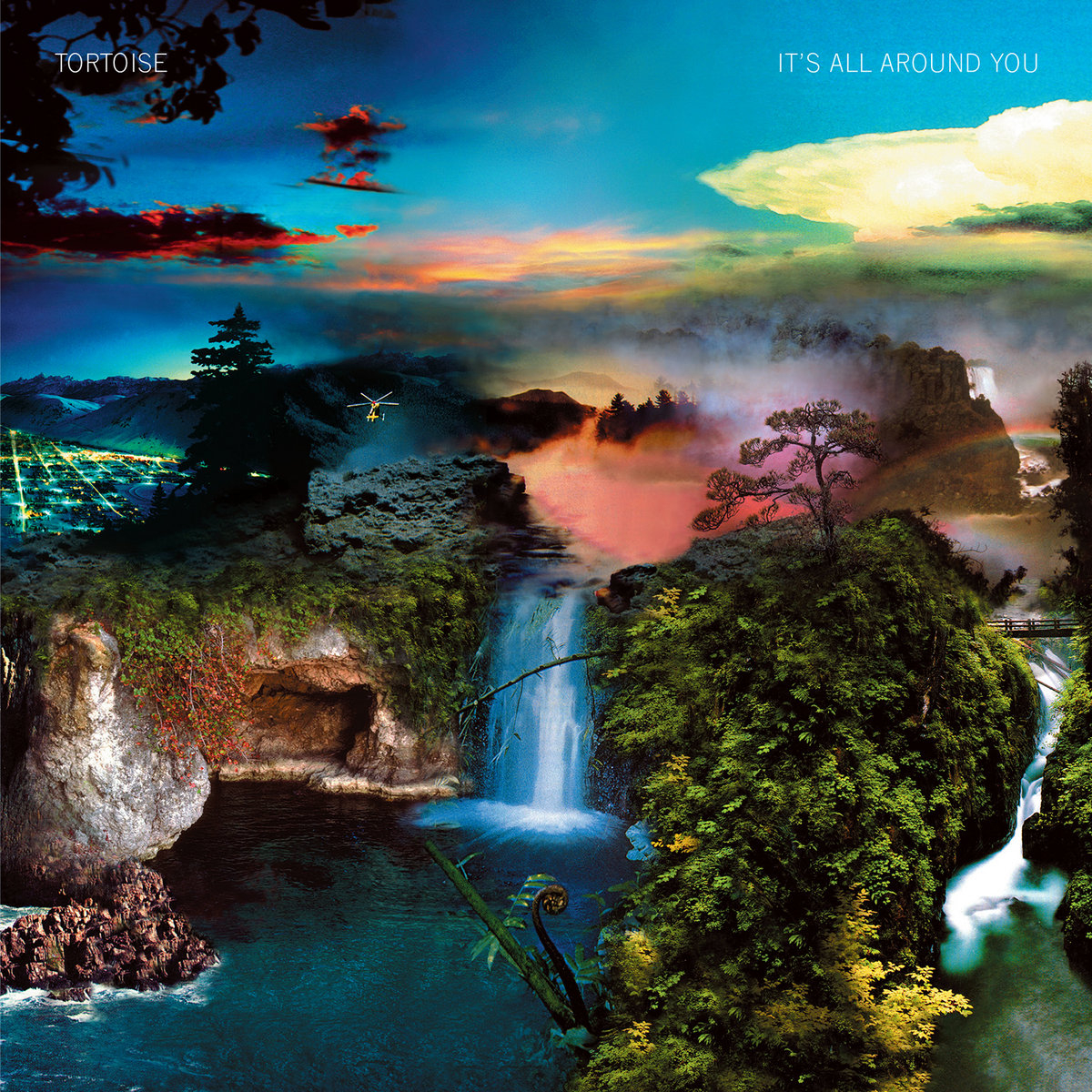
Tortoise is something of a square one for me, and one of the most life-changing bands in my musical evolution. I first heard them in a skateboard video back in the 1990s (Tincan Folklore by Stereo Skateboards – a glorious piece of 1990s underground art in its own right, check it out on YouTube) and later saw them at Roskilde Festival in 1998. Tortoise weren’t just an interesting band in itself, but since they fused so many different styles into their sound, they really opened up my ears and became my gateway to krautrock, classical minimalism and electronica. I picked up TNT in the summer of 1998 and in the following weeks I’d bring home bags from my local music library filled with Can, Steve Reich, late-period Talk Talk, Miles Davis and Autechre albums. All these discoveries really set me on the path I’m still exploring to this day.
It’s All Around You is one of the less-celebrated Tortoise albums, but in my book it’s one of their best. The title track sounds like an unlikely fusion of Santana and Stereolab and has a super interesting, multi-layered production – the drums are kinda distorted and most of the instruments are filtered and processed in various ways. ”Crest” sounds like 1970s Morricone, but blown up in multicolor and processed through modern electronics. And ”Salt The Skies” has a Frank Zappa Hot Rats-esque vibe to it, starting out cozy and jazzy but shifts into a groovy riff halfway through – the kinda stuff Causa Sui dreams are made of. Tortoise is one of those few bands whose influence has been channeled into all aspects of my work, from the electronic Manual albums to London Odense Ensemble, Causa Sui and Terramar.
Sensation’s Fix: Fragments of Light (1974)
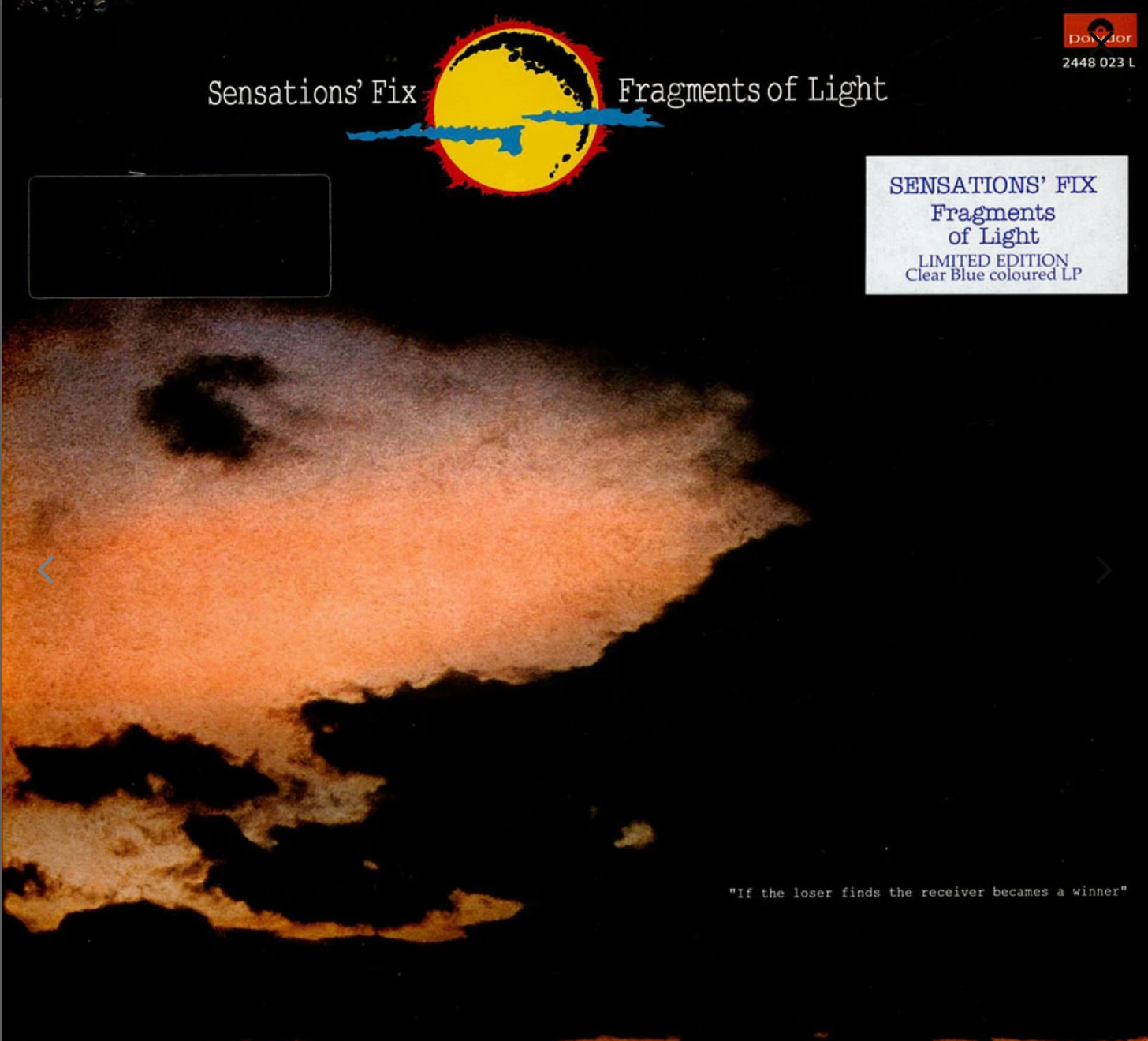
Sensation’s Fix, aka Italian musician and producer Franco Falsini, is a bit of a mysterious figure from the 1970s and early 1980s prog scene. My guess is that had he been from Germany instead of Italy he surely would have been placed in the ”krautrock” category. Stylistically he shares quite a few traits with Manuel Göttsching – the way he uses synthesizers and delays, as well as his repetitive guitar patterns. Yet, there’s something quite different about Falsini’s approach. Generally, he’s more rooted in traditional songwriting, and while there’s a ”cosmic” aspect to a lot of his stuff he largely leans towards rock and psychedelic pop. There’s actually a few cuts on this album that makes we wonder if Tame Impala or perhaps The Flaming Lips have been digging this stuff –there’s this strange lo-fi vibe to it that makes it sound oddly modern and neo-psychedelic. Great stuff.
The Durutti Column: LC (1981)
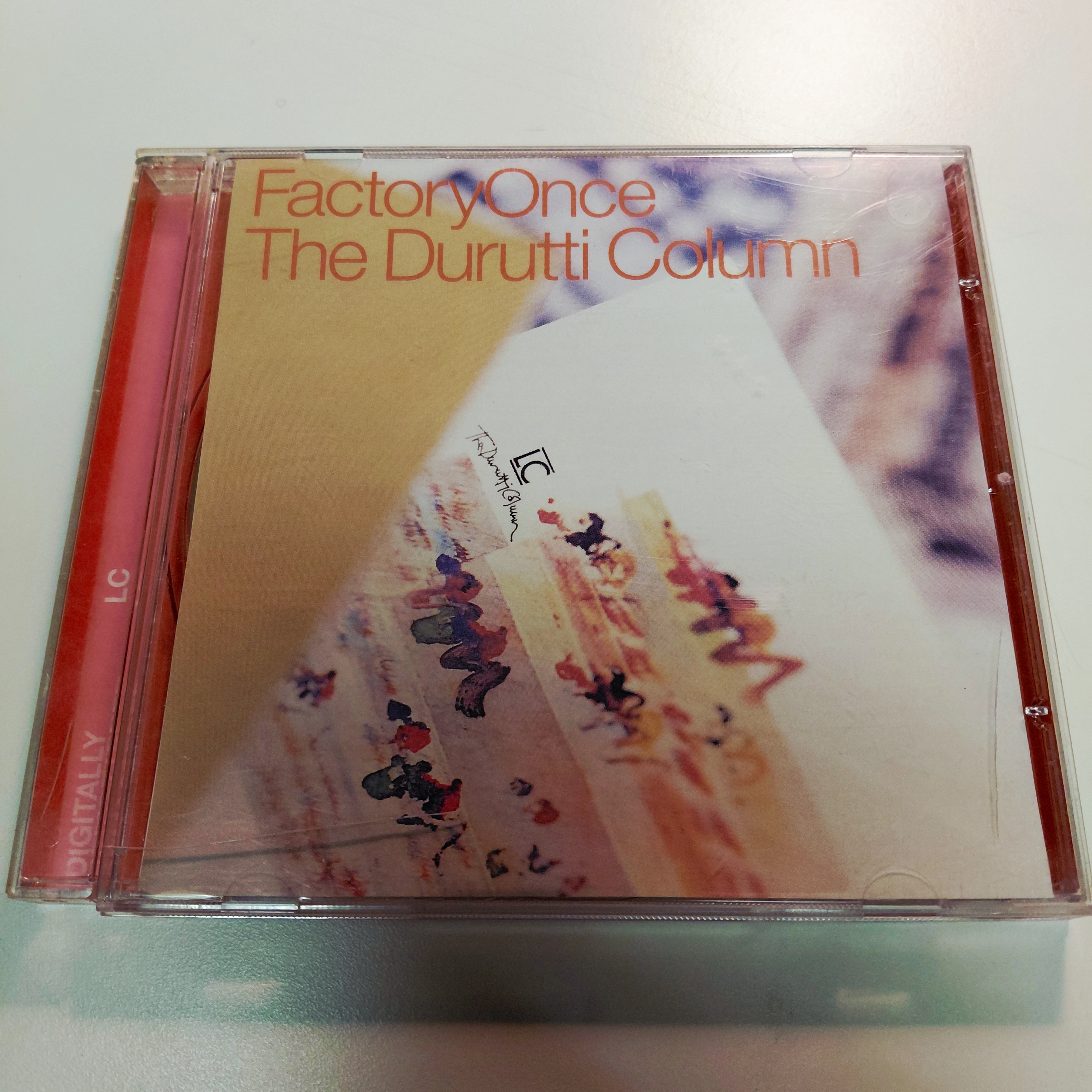
Back around the time I released my first Manual album, one of my dad’s old friends brought his vinyl copy of this album so I could record it to mini disc, cause he thought the stuff I produced had a Durutti Column feel to it. I immediately fell in love with ”Never Known” and ”Portrait for Frazer”. Vini Reilly just has such a unique way of playing guitar, and it’s really hard to place his music genealogically. Sure, his connection to Factory Records, Manchester and Martin Hannett makes it easy to see him as some kind of early 1980s post-punk outlier. Yet, the pastoral vibe and the slightly melancholic melodies makes me think more of the likes of Michael Rother or Brian Eno. And looking back from a present perspective the early Durutti Column records feel like precursors to Chicago-style post rock and maybe even some of the shoegazers. And they’ve certainly influenced my own work, perhaps most noticibly the Manual albums and my Ulrich Schnauss collaborations. I don’t think there’s any shame in pursuing beauty. In fact it’s evident from Vini Reilly’s albums that the most beautiful music can also be deep, artistically nuanced and genuinely rewarding.
John Coltrane: The Complete 1961 Village Vanguard Recordings, box set (1997 / recorded 1961)
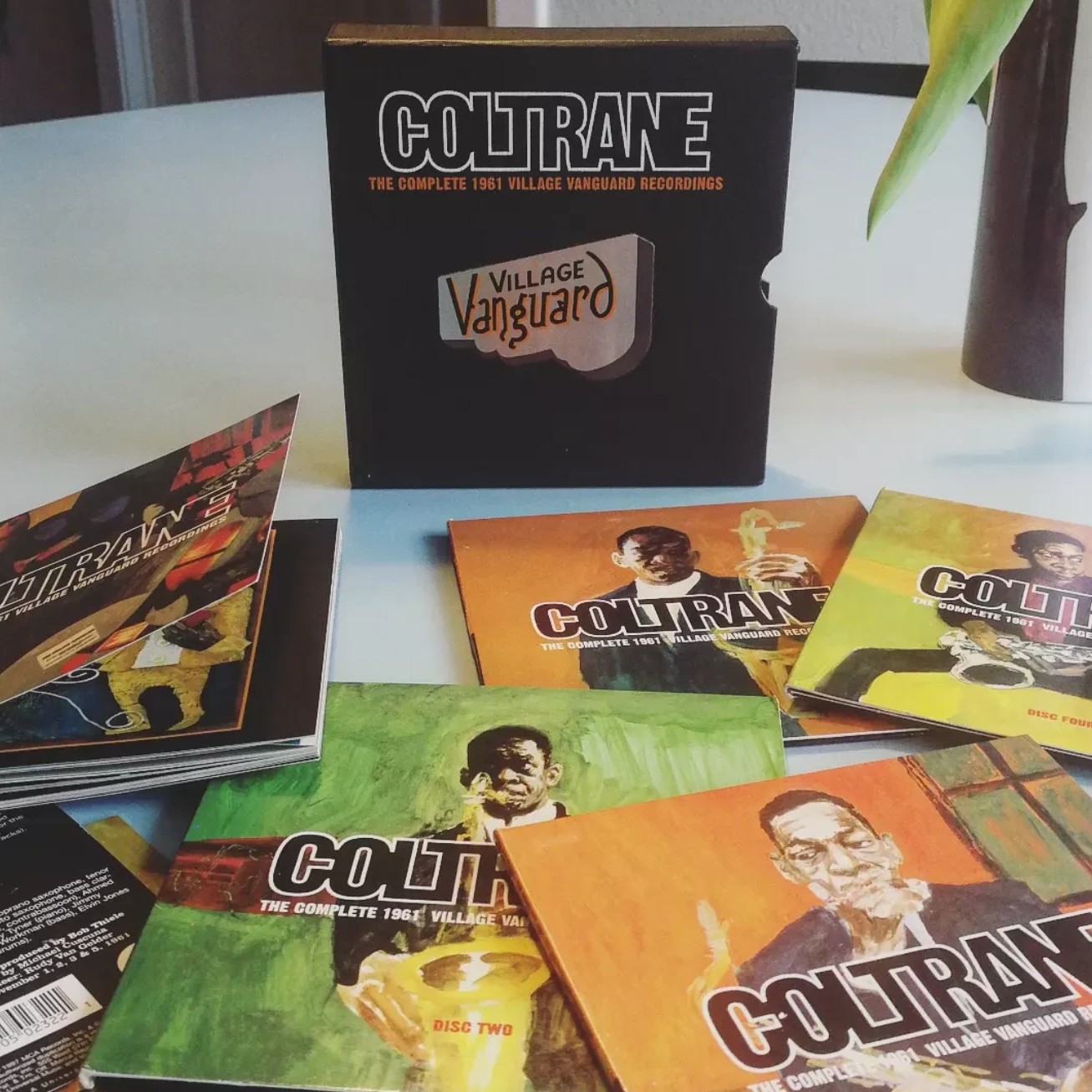
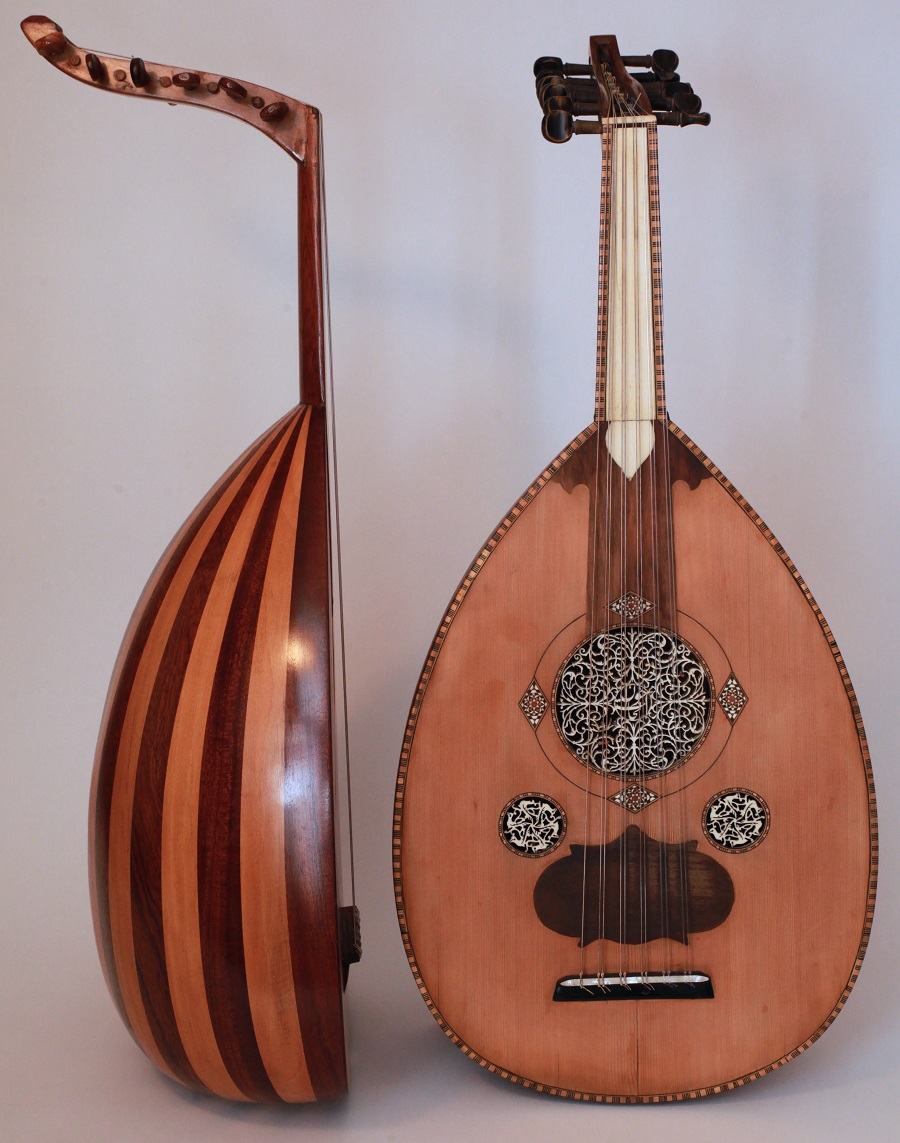
My go-to Coltrane records are usually from a bit later in his career, between 1963 and 1966, but this set has some of my all time favorite cuts, and it shows just how far ahead the John Coltrane Quartet actually was already at this point. These recordings catch the group over four nights at the legendary NYC venue Village Vanguard, and the whole thing was captured by none other than Rudy Van Gelder! Eric Dolphy guests a lot of the tracks and Ahmed Abdul-Malik plays oud on a few renditions of “India” – not an instrument you’d normally hear in jazz in 1961! Back in the early1960s this was pretty controversial stuff: the modality, the minimalism, the eastern flavors, the extensive high-adrenaline solos – but to younger ears today this might just be the most relatable jazz from the early 1960s.
Anyone with a casual interest in 1960s psychedelia or spiritual jazz will be able to find something to enjoy here. Tracks such as ”Spiritual”, ”India” and ”Brasilia” have a timeless appeal to them, and the way the band interact with each other is truly mesmerizing – it’s pretty astonishing how Elvin Jones, McCoy Tyner and John Coltrane are able to build up energy during the expansive solos. It gets me every time. The musicianship and vitality on display here is just extraordinary. I always find encouragement and motivation from Coltrane’s deep dedication to his art – he represents the high water mark of artistic devotion.
Aphex Twin: Syro (2014)
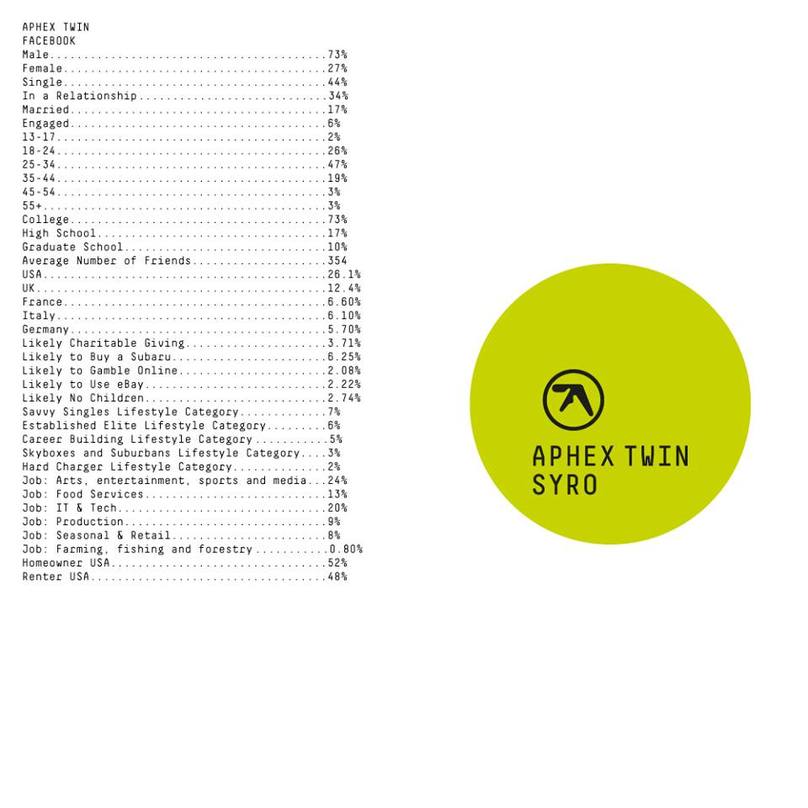
Electronic music has generally been associated with non-human machine-like aesthetics, but what strikes when listening to Syro is how every little detuned synth-squeak, or every hi-hat sequence or filtered bass-line just has Richard D. James’ unique fingerprint all over them! His personal touch on everything is completely evident from listening to just a few seconds to any of these tracks. On Syro he’s not really trying hard to be cutting edge or futuristic, or whatever – everything is just so incredibly well done. There’s a kind of maturity and calm focus on this record that makes it standout from anything else in his vast catalog for me. I was never really into the weird prankster attitude, or the sarcasm, that took up quite a bit of space on his 1990s and early 2000s albums – for me it was always just a few mind blowing tracks here and there, i was never really able to dig an Aphex Twin album from start to finish. Until Syro, that is! Some of these tracks are simply incredible – ”Xmas_EVET10”, ”PAPAT4” or ”minipops 67” has a level of detail that’s totally mind-boggling, and I can’t begin to imagine the amount of programming and editing work he put into these tracks. There’s so much care in every little piece of sound design. I love the way everything has been architecture’d to sound like the most natural thing in the world, even though all these tracks could only have been produced by someone who dedicated three decades of his life to his art.
Discover more from Complex Distractions
Subscribe to get the latest posts sent to your email.

